Meet Dr. Katz
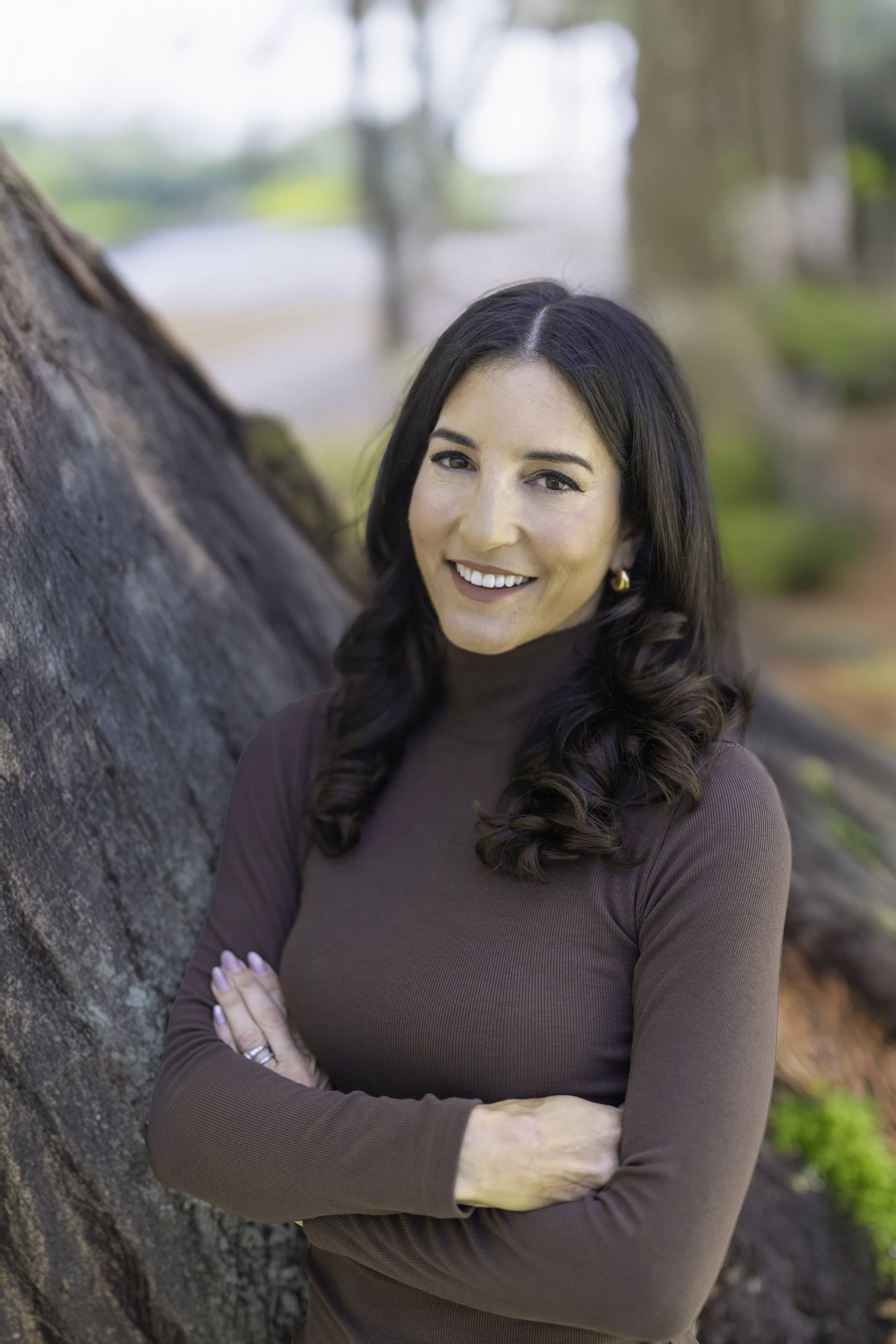
Laura Katz, Ph.D., LEP, NCSP is a licensed educational psychologist and nationally certified school psychologist with a Ph.D. from Temple University and a B.A. from the University of Pennsylvania.
Dr. Katz specializes in comprehensive psychoeducational evaluations for individuals from infancy through young adulthood. Her evaluations go beyond test scores — she works to understand the whole child, uncovering each person's unique profile of strengths and needs across cognitive, academic, social-emotional, and behavioral domains. She has extensive experience evaluating children with a wide range of complex profiles, including ADHD, Autism Spectrum Disorder, dyslexia and other learning disabilities, anxiety, depression, PTSD, developmental delays, intellectual differences, genetic disorders, Tourette's, and behavioral challenges.
What sets Dr. Katz apart is the depth of her mental health training and experience. She is trained in Cognitive Behavioral Therapy (CBT) and has provided individualized therapy, crisis intervention, and classroom-based social skills instruction. She previously developed and led a district-wide mental health services model for a school district outside of Los Angeles — coordinating care across schools, families, residential treatment facilities, and outside mental health agencies to ensure that children with mental health challenges could continue to thrive academically. She also served as a lead on the district's crisis response team and trained educators and parents in suicide prevention.
Dr. Katz brings a uniquely integrated perspective to her work: she understands not only a child's underlying cognitive and emotional profile, but also the environmental, cultural, and family factors that shape how a child functions day to day. She has worked with children and families across diverse settings — from large urban cities to rural communities to affluent suburbs — and is skilled at translating complex findings into clear, practical guidance.
Above all, Dr. Katz is committed to partnering with parents and the important adults in a child's life to find real, workable solutions. As a working mother of two, she understands the gap between clinical recommendations and the realities of everyday family life — and she works hard to bridge it.